Federal hemp law is changing
The care patients rely on is at risk.
New federal hemp restrictions could eliminate access to cannabinoid products that patients and families depend on. Before these products become unavailable, lawmakers need to understand the consequences for the people who rely on them.
Patients deserve a voice. And they deserve viable alternatives before access is taken away.





The situation
A law written to close a loophole also sweeps in the care patients depend on.
In November 2025, Congress rewrote the legal definition of hemp to close a loophole in hemp sales. The fix is so broad it also captures products people use every day as part of their care, with no alternative in place.
What’s at risk
Many full-spectrum hemp products would no longer qualify as hemp, including ones patients have relied on for years, and no alternative is in place.
Hemp is redefined.
The new definition measures THC far more broadly than before, including forms the old rule didn’t count.
Trace amounts now count.
Many plant extracts carry trace THC naturally. Under the new rule, that alone can disqualify a product.
Everyday care could become unlawful.
That includes many full-spectrum hemp products with low amounts of THC that patients use for pain, sleep and anxiety, with nothing in place to replace them.
How we got here
The clock is already running.
Congress bought one extra month. Lawmakers are still deciding what comes next, and patients have barely been heard.
-
Nov 12, 2025
Hemp is redefined
A federal funding bill rewrites the definition of hemp, with a one-year runway.
-
Sep 2, 2026
One-month delay signed
A stopgap funding law moves most restrictions back to December 11.
-
Nov 12, 2026
First products excluded
Cannabinoids the plant cannot naturally produce lose federal hemp status.
-
Today
Congress is still deciding
No final decision has been made. Patient voices can still shape what happens next.
-
Dec 11, 2026
Most restrictions take effect
The new definition applies nationwide. Many products patients rely on would no longer qualify.
Who this affects
The people most affected are missing from the conversation.
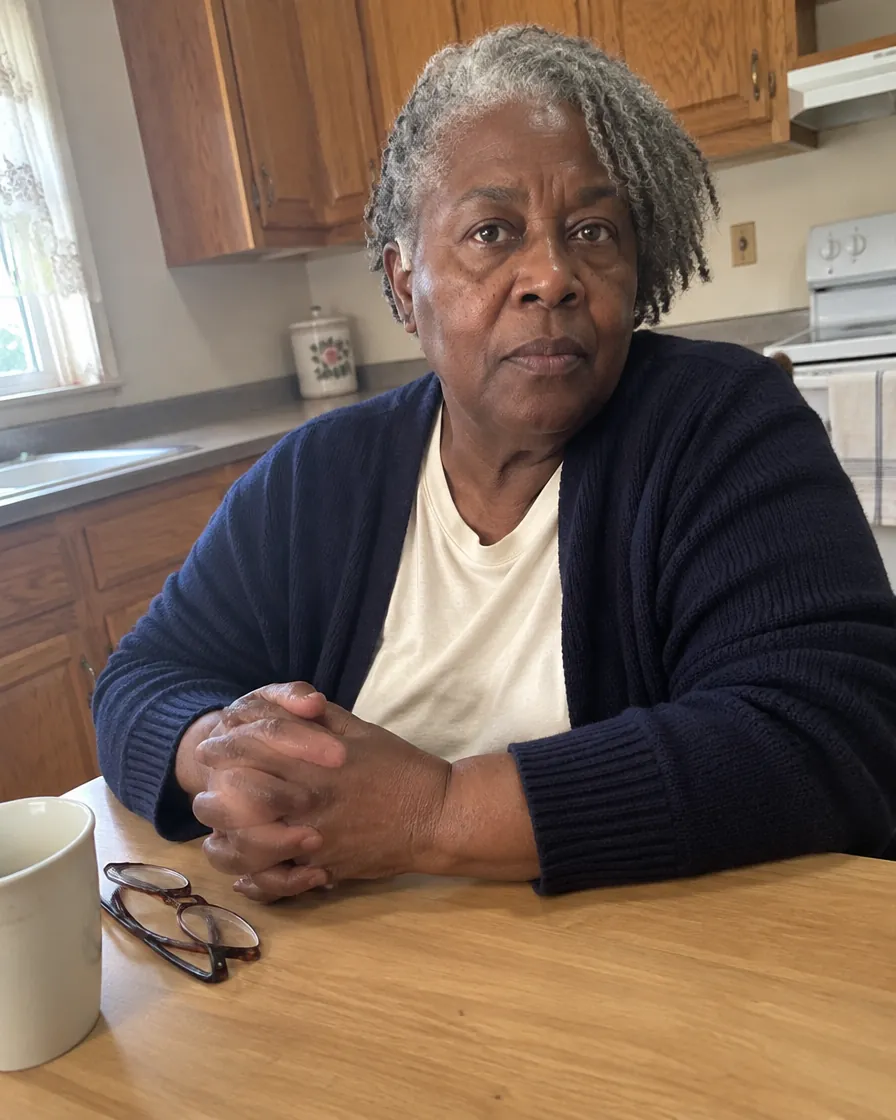
The debate in Washington has been about gas-station gummies and THC drinks. The patients and caregivers who would lose everyday care have barely been heard.
Patients
Adults managing chronic pain, sleep problems and anxiety who found relief after other treatments failed.
Caregivers
Parents, spouses and adult children who have seen the difference in someone they care for.
Older adults
People looking for gentler options alongside their care, often on fixed incomes and many prescriptions.
I’ve spent years caring for children with severe epilepsy, veterans with chronic pain and PTSD, and seniors with dementia who rely on cannabinoid-based medicine. Removing access without affordable, medically appropriate alternatives risks serious harm. These patients deserve continuity of care, not disruption.”

What we’re asking for
Responsible regulation and patient access must go hand in hand.
We support meaningful safety standards, including independent testing, accurate labeling, and quality manufacturing. But regulation should go further, creating incentives for clinical research, product standardization, and better patient outcomes. These goals must advance without disrupting access to products patients depend on before viable alternatives are available.
-
Protect patient access
Preserve access to the products patients rely on until viable alternatives are available.
-
Support responsible regulation
Establish meaningful safety and quality standards while encouraging clinical research, product standardization, and scientific advancement.
-
Put patients first
Make sure patient and caregiver experiences are heard and considered as policies are developed.
Help us make your voice heard.
One honest story can put a human face on what’s at stake.

Pass it on
Send this page to a patient or caregiver who should be heard. Most don’t know this is happening. You can also share on social media.
Federal hemp law changes on December 11 could cut off the full-spectrum hemp products a lot of patients rely on. If this affects you, you can record a short video for lawmakers here: saveourmedicine.com
Common questions
What patients are asking.
Patients should not lose access to cannabinoid-based products they rely on without viable alternatives. We support a regulated pathway that protects patient access while advancing safety, product quality, clinical research, and scientific development.
Most products remain available for now. The broadest changes take effect December 11, 2026, unless Congress acts.
Many could be. The new definition counts trace THC that occurs naturally in many plant extracts, so many products patients rely on may no longer qualify.
With your permission, patient stories may be shared through the campaign website, social media, news coverage, public awareness initiatives, and outreach to policymakers and advocacy partners.
Videos will not be used to advertise FloraWorks products or promote commercial products from participating organizations. Personal contact information will not be used for commercial marketing.
Participants retain ownership of their stories. All submissions are governed by our Submission Terms & Media Release.
Save Our Medicine is organized, funded, and managed by FloraWorks, a cannabinoid science and ingredient development company. FloraWorks has commercial interests in the broader cannabinoid industry but does not manufacture or sell the finished products many affected patients rely on.
The campaign is supported by patient and clinician advocacy organizations, including the National Compassionate Care Council, Society of Cannabis Clinicians, LEAF411, and Realm of Caring.
Our purpose is to amplify patient and caregiver voices, not promote commercial products or advance FloraWorks’ specific business objectives.
For more information, read our CEO’s open letter: https://saveourmedicine.com/open-letter